As an Amazon Associate, we earn from qualifying purchases. Some links on this site are affiliate links at no extra cost to you. Our recommendations are based on thorough research and editorial judgment.


How To Choose The Right Blood Pressure Cuff Size?

To choose the right blood pressure cuff size, measure the mid-arm circumference at the midpoint of the upper arm. Cuff size categories include small (22-26 cm), medium (27-34 cm), large (35-44 cm), and extra-large (45-52 cm). The cuff bladder length should be at least 80% of the arm circumference, and the cuff width must be 40% of the arm circumference. Proper sizing notably impacts hypertension diagnosis and treatment accuracy. Further insights on cuff types and placement techniques can provide additional guidance.
Key Takeaways
- Measure the arm circumference at the midpoint of the upper arm while the arm is relaxed and supported at heart level.
- Use the recorded arm measurement to determine the appropriate cuff size: small (22–26 cm), medium (27–34 cm), large (35–44 cm), or extra-large (45–52 cm).
- Ensure the cuff bladder length is at least 80% of the arm circumference for accurate readings.
- The cuff width should be a minimum of 40% of the arm circumference to ensure proper fit.
- Consistently use the same arm and conditions for blood pressure measurements to maintain accuracy.
Understanding the Importance of Cuff Size
You may be interested
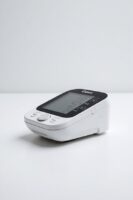


Understanding the proper cuff size is vital, as selecting the incorrect size can greatly affect blood pressure readings. Cuff size implications are significant; using an undersized cuff can overestimate blood pressure, while an oversized cuff can lead to missed hypertension diagnoses.
- Approximately 50% of U.S. adults require a larger cuff, yet many still opt for a regular size.
- Inaccurate readings can result in improper treatment of hypertension, influencing health outcomes.
Healthcare professionals are urged to prioritize appropriate cuff sizes in clinical settings to guarantee accurate hypertension diagnosis. Additionally, awareness in communities with higher obesity rates is important, as larger cuffs are often necessary, underscoring the significance of accurate measurements for effective health management. Choosing the right cuff size can significantly enhance measurement accuracy levels, ultimately leading to better health outcomes.
Measuring Arm Circumference for Accurate Selection

Measuring arm circumference accurately is essential to selecting the appropriate blood pressure cuff size. The measurement should be taken at the midpoint of the upper arm, between the shoulder and elbow, using flexible, non-stretchable measurement tools for ideal measurement accuracy.
Key guidelines include:
- Verify the arm is relaxed and supported at heart level.
- Avoid measuring over clothing to maintain precision.
- Record measurements in centimeters for standardization.
Arm circumference categories include small (22–26 cm), medium (27–34 cm), large (35–44 cm), and extra-large (45–52 cm). Proper sizing is vital, as incorrect cuff sizes can lead to errors in blood pressure readings, potentially impacting clinical decisions and patient care. Regular reassessment is advised for ongoing accuracy. Additionally, using the correct cuff size minimizes errors and ensures reliable readings.
Recommended Products
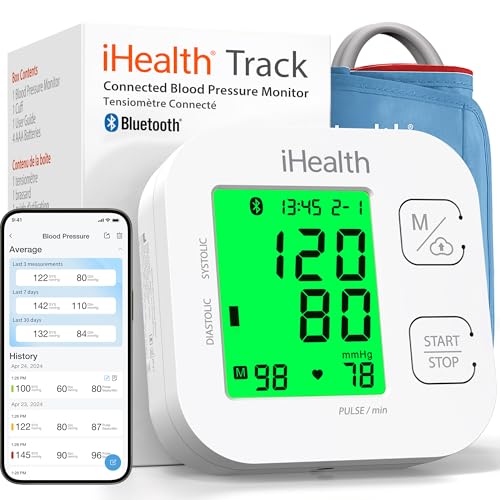
Clinically Accurate: Easy Operation by two buttons, Advanced Accuracy, No Calibration required.

CONFIDENCE IN EVERY READING: Monitor your heart health with the OMRON Iron Upper Arm Blood Pressure Monitor's Advanced Accuracy Technology
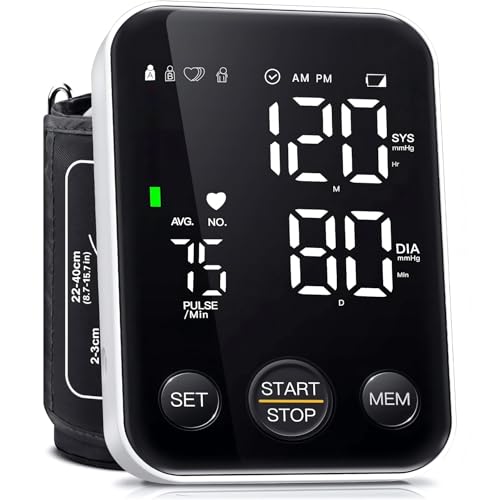
One-Button Design: This Oklar blood pressure monitor features a one-button operation, making measurement easy and convenient; with just a touch, you can quickly take a measurement and get an accurate reading
Guidelines for Selecting the Appropriate Cuff Size
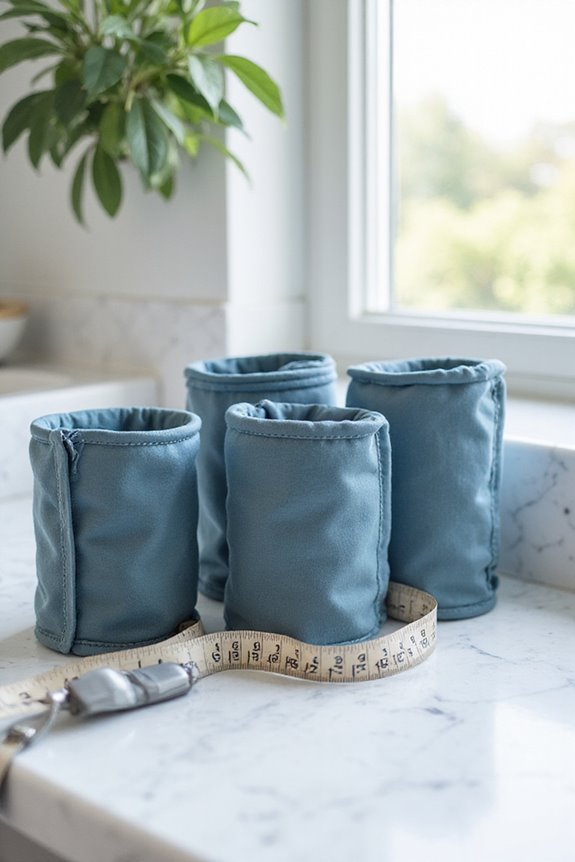
Selecting the appropriate blood pressure cuff size is critical for obtaining accurate measurements. The following guidelines should be adhered to for ideal blood pressure accuracy:
- Arm Circumference Measurement: Measure the mid-arm circumference to determine the correct cuff size.
- Cuff Bladder Length: Verify the bladder length is at least 80% of the arm circumference.
- Cuff Width: The cuff width should be a minimum of 40% of the arm circumference.
- Cuff Categories: Familiarize with cuff sizes, including small, adult, large, and extra-large.
Clinical guidelines emphasize that using appropriate cuff measurement techniques is essential to avoid misclassification of hypertension and facilitate effective treatment decisions. Proper selection of cuff size can greatly impact patient outcomes and community health.
Recommended Products
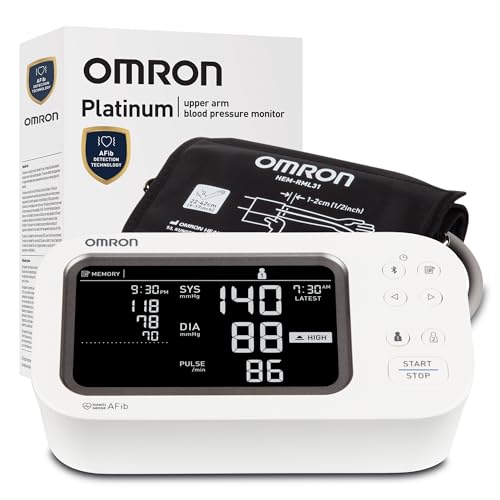
CONFIDENCE IN EVERY READING: Monitor your heart health with the OMRON Platinum Upper Arm Blood Pressure Monitor's Advanced Accuracy with AFib Detection Technology; Store up to 100 readings each for you and a partner to track progress with dual-user support
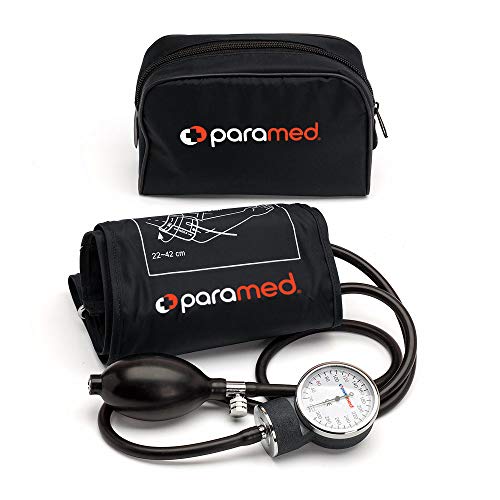
No stethoscope in the set: stethoscope is not included

Convenient Dual User Mode: Store up to 240 readings for two users, allowing easy tracking and comparison of measurements
Types of Blood Pressure Cuffs and Their Applications

Blood pressure cuffs are an essential component in the accurate assessment of blood pressure, offering a variety of types tailored to different clinical and patient needs.
Types of Cuffs:
- Reusable Cuffs: Cost-effective, made from durable cuff materials, suitable for frequent use.
- Disposable Cuffs: Designed for hygiene, preventing cross-contamination in medical settings.
- D-Ring Cuffs: Common in professional healthcare, featuring a distinctive D-shaped ring.
- Specialty Cuffs: Cater to specific patient needs, accommodating various arm sizes.
- Wrist Cuffs: Used when upper arm cuffs are impractical.
Applications:
- Ambulatory Monitoring: Continuous 24-hour blood pressure tracking.
- Home Use: Digital monitors provide convenience.
- Clinical Research: Essential for collecting accurate hypertension data.
Cuff durability and material choice are critical for effective monitoring, as accurate cuff fitting is vital for individuals with specific health conditions.
Recommended Products
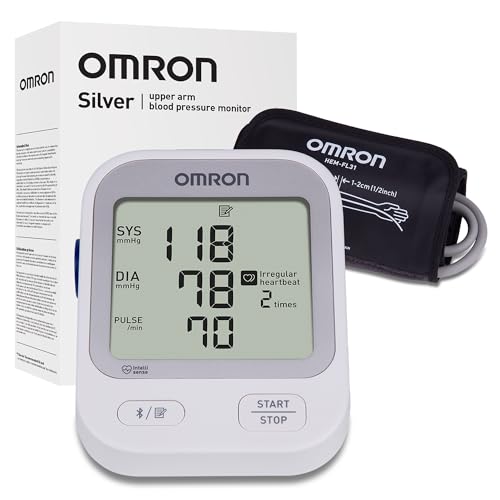
CONFIDENCE IN EVERY READING: Monitor your heart health with the OMRON Silver Upper Arm Blood Pressure Monitor's Advanced Accuracy Technology; Store up to 30 readings to track your progress

CONFIDENCE IN EVERY READING: Monitor your heart health with the OMRON Bronze Upper Arm Blood Pressure Monitor's Advanced Accuracy Technology; Store up to 14 readings to track your progress

Large Blood Pressure Cuff, Adult Cuff, Compatible with Most Monitors, ARM Blood Pressure Replacement Cuff with 8 Connectors (8.7"-16.5")
Proper Cuff Placement Techniques
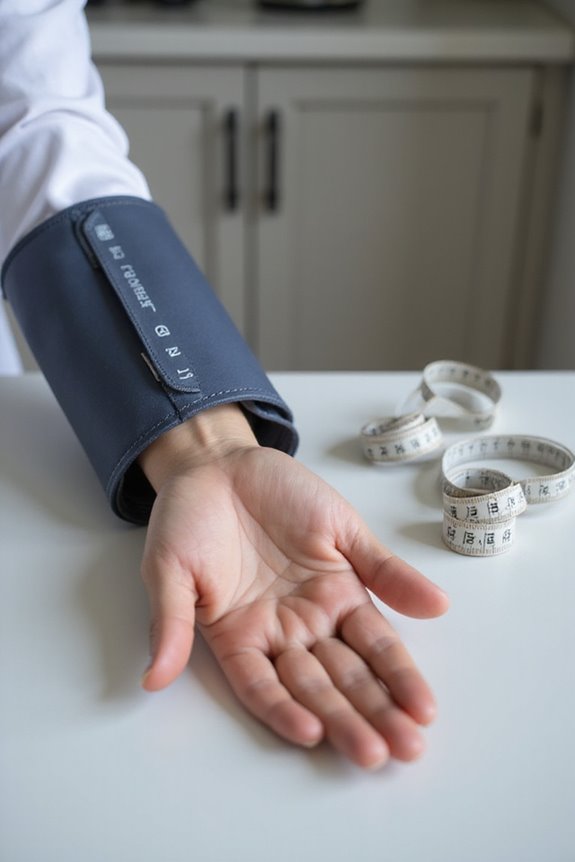
Proper cuff placement is essential for obtaining accurate blood pressure readings. Adhering to specific cuff positioning techniques enhances measurement reliability. The cuff should be positioned on the upper arm, one to two centimeters above the elbow crease, with the arm at heart level and palm facing upward.
For a proper cuff fit assessment, select a cuff that aligns with the brachial artery, ensuring the index line fits within the marked range. The cuff should be snug, allowing two fingers to fit underneath, avoiding both excessive tightness and looseness.
Minimizing interference, such as clothing, is vital. Consistency in readings can be achieved by using the same arm and monitoring under similar conditions. Accurate placement fosters trust in results.
Managing Devices and Patient Considerations
Accurate blood pressure measurement relies heavily on the appropriate selection and management of devices, particularly when considering patient-specific needs.
Device Inventory Management
- Maintain a thorough inventory of varied cuff sizes to accommodate diverse patient populations.
- Regularly assess and update cuffs based on new and returning patients.
Patient Education
- Educate patients on the importance of correct cuff size to avoid misclassification of hypertension.
- Inform patients that using an incorrect cuff can lead to inaccurate readings, affecting diagnosis and treatment. Additionally, cuff size compatibility is essential for ensuring accurate readings and comfort.
Staff Training
- Train healthcare staff in selecting the appropriate cuff size and managing device inventory effectively.
- Utilize organizational tools to streamline tracking of device availability and patient requirements.
Frequently Asked Questions
Can I Use a Wrist Cuff Instead of an Arm Cuff?
Using a wrist cuff instead of an arm cuff may compromise accuracy. While wrist cuffs are convenient, arm cuffs offer significant benefits, providing more reliable readings that foster a sense of belonging to health-conscious individuals.
How Often Should I Replace My Blood Pressure Cuff?
Blood pressure cuffs, akin to a trusty steed, require vigilant upkeep. Replacement frequency typically hovers around every 2 to 3 years, underscoring the importance of proper cuff maintenance to guarantee reliable, accurate readings when needed most.
What Should I Do if My Arm Circumference Falls Between Sizes?
When arm circumference falls between sizes, individuals should consider cuff adjustments to guarantee proper fitting. Selecting a cuff that maximizes bladder length relative to arm size promotes accurate readings, fostering a sense of belonging in healthcare settings.
Is It Safe to Measure Blood Pressure on Clothing?
Measuring blood pressure over clothing raises concerns about clothing interference affecting measurement accuracy. While studies indicate minimal impact, proper technique and bare arm measurements are recommended to guarantee reliable and precise blood pressure readings.
How Can I Ensure My Blood Pressure Readings Are Consistent?
Like a steady heartbeat, consistent blood pressure readings depend on proper techniques. Utilizing consistency tips such as routine measurements, correct posture, and environmental control guarantees accuracy, fostering a shared commitment to health within the community.