As an Amazon Associate, we earn from qualifying purchases. Some links on this site are affiliate links at no extra cost to you. Our recommendations are based on thorough research and editorial judgment.


Understanding Different Types Of Vision Aids

Vision aids enhance accessibility for individuals with vision impairment. They are categorized into:
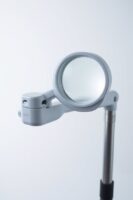
- Optical Aids: Handheld and stand magnifiers facilitate reading and detail examination.
- Non-Optical Aids: Contrast enhancers and tactile markers improve usability.
- Electronic Aids: Innovations like AI-powered devices and video magnifiers offer advanced features.
You may be interested


Selecting vision aids requires evaluating medical needs, trial periods, and professional guidance. This framework allows for effective customization to user requirements. Further insights are available on specific applications and innovations.
Key Takeaways
- Optical vision aids include handheld and stand magnifiers, enhancing reading and visibility for users with low vision.
- Non-optical aids like contrast enhancers and tactile markers improve usability in various environments without relying on visual input.
- Electronic vision aids, such as video magnifiers and AI text-to-speech readers, offer customizable features to meet individual needs.
- Selecting vision aids involves assessing medical necessity, user independence goals, and conducting trials for effectiveness.
- Innovations in vision aids, like electronic glasses and AI-powered devices, enhance accessibility and user experience for those with vision challenges.
Types of Optical Vision Aids
Optical vision aids encompass a variety of devices designed to enhance visual capabilities for individuals with vision impairments. Among these, handheld magnifiers and stand magnifiers serve distinct purposes.
- Handheld Magnifiers:
- Available in multiple shapes, sizes, and magnification levels.
- Ideal for tasks like reading labels, menus, and books.
- Stand Magnifiers:
- Stationary devices that rest on surfaces.
- Provide hands-free magnification, suitable for users with hand tremors.
- Often feature built-in lighting for improved visibility.
- Adjustable for best positioning and comfort.
Portability distinguishes handheld magnifiers from stand magnifiers, which are primarily designed for desk use. Each type offers unique benefits, catering to varying needs and preferences within the vision-impaired community.
Non-Optical and Electronic Vision Aids
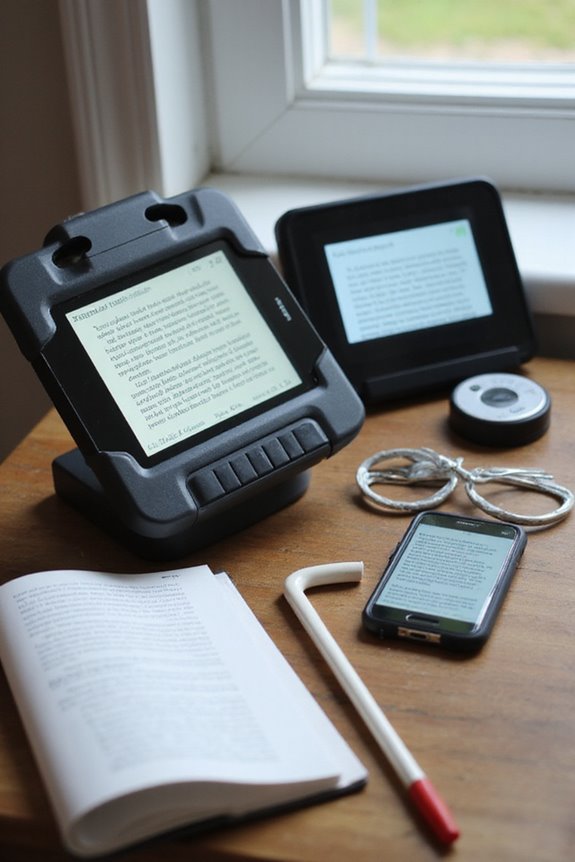
Non-optical vision aids play an essential role in enhancing the quality of life for individuals with vision impairments, especially when traditional optical solutions are insufficient. These aids provide significant non-optical benefits, improving accessibility and safety in daily activities. Common types include:
- Contrast enhancers: Increase visibility by enhancing object-background contrast.
- Specialized lighting: Adjustable lamps reduce glare and illuminate work areas.
- Audio aids: Devices like talking clocks and audiobooks facilitate communication without visual reliance.
- Tactile markers: Help identify controls through touch.
In conjunction, electronic advancements have led to devices such as electronic video magnifiers and AI text-to-speech readers, offering customizable magnification and features to support users in various environments. Together, these aids foster independence and enhance overall quality of life.
Considerations for Selecting Vision Aids
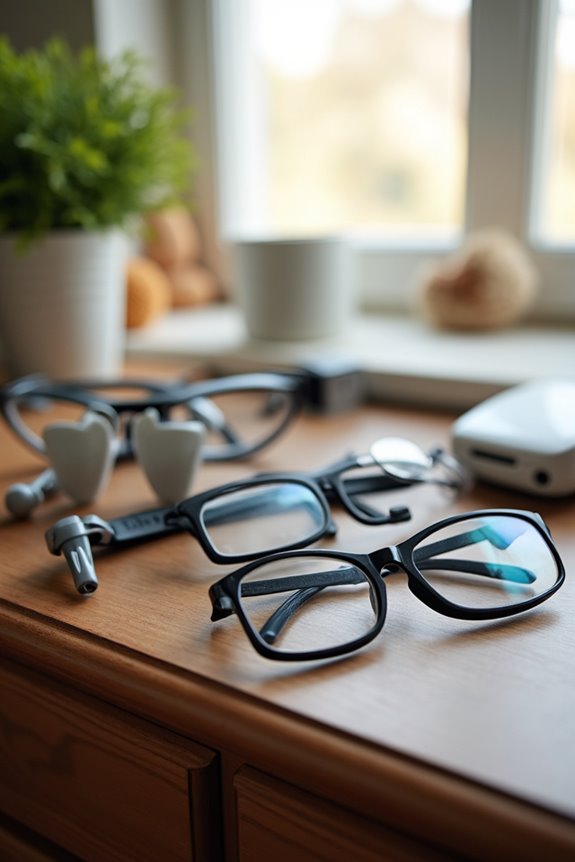
When selecting vision aids, what factors should be taken into account to guarantee the best fit for individual needs?
Medical Necessity
- Assess medically necessary conditions, such as a best corrected visual acuity of 20/200 or worse.
- Consider visual field restrictions and the overall impact of low vision on daily life.
Patient Assessments
- Conduct evaluations based on activity-based needs and environmental usability.
- Focus on independence goals and the long-term sustainability of aids.
Trial and Evaluation
- Utilize trial periods to assess aid effectiveness.
- Seek professional guidance to ascertain proper selection and fit. Additionally, consider the battery life of the magnifiers to ensure they meet daily usage needs.
Incorporating these considerations guarantees that vision aids are tailored to individual requirements, enhancing overall quality of life and independence.
Optical Aid Subtypes and Their Applications

Various types of vision aids exist to address specific visual impairments, enhancing functionality for individuals with low vision.
Handheld Magnifiers Applications
- Versatile for near tasks: reading small print, labels, and detailed examination.
- Available in various powers: from simple 2x to advanced electronic models.
- Portable and user-friendly: lightweight, no installation required.
Head-Mounted Magnifiers Benefits
- Clip-on or spectacle-mounted for hands-free use.
- Ideal for near work: reading, writing, and detailed crafting.
- Improves stability: reduces tremors and fatigue, allowing for comfortable viewing.
Each subtype serves unique applications, making them essential tools for individuals seeking independence and improved visual access.
Innovations in Electronic and Digital Vision Aids
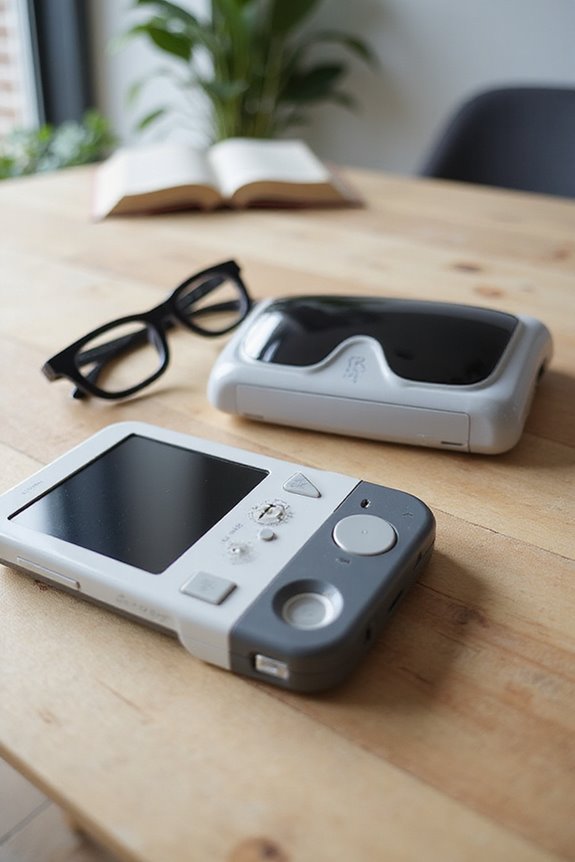
Innovations in electronic and digital vision aids are transforming the landscape of assistive technology, greatly enhancing the quality of life for individuals with visual impairments.
AI-Powered Vision Aids
- Samsung Vision AI leverages AI advancements to create personalized experiences on Neo QLED and OLED screens.
- Partnerships with Microsoft enable features like Copilot for improved accessibility.
- AI-driven displays adapt settings based on user needs, enhancing usability.
Electronic Glasses for Low Vision
- Vision Buddy glasses provide TV streaming and reading magnification.
- eSight glasses enhance clarity for users with macular degeneration.
- OrCam MyEye offers text-to-speech capabilities for independence.
These advancements represent a significant step toward inclusive environments, allowing users to engage fully with their surroundings while addressing unique vision challenges.
Frequently Asked Questions
How Do I Know Which Vision Aid Is Right for Me?
To determine the right vision aid, one should seek personalized consultation, considering lifestyle considerations such as daily activities and comfort. This approach guarantees ideal device selection tailored to individual needs and enhances overall quality of life.
Are There Any Side Effects of Using Vision Aids?
Side effects from vision aids may include mild eye strain, dryness, and dizziness, typically resolving quickly without long-term effects. Awareness of these transient issues can foster a sense of community and understanding among users.
How Often Should Vision Aids Be Replaced or Updated?
Replacement frequency for vision aids varies based on type, with recommendations ranging from monthly for contact lenses to every two years for eyeglasses. Adhering to guidelines guarantees ideal vision aid lifespan and promotes overall eye health.
Can Children Use Adult Vision Aids Safely?
Steering through the delicate balance of children’s safety and adult specifications, one must tread carefully. Adult vision aids, while functional, often lack the tailored support children need, highlighting the importance of customized solutions for their unique visual journeys.
What Are the Maintenance Tips for Vision Aids?
Maintenance tips for vision aids include effective cleaning techniques using soft cloths and mild detergents, alongside proper storage solutions in protective cases. These practices guarantee longevity, peak performance, and a sense of belonging within the vision aid community.