As an Amazon Associate, we earn from qualifying purchases. Some links on this site are affiliate links at no extra cost to you. Our recommendations are based on thorough research and editorial judgment.


Personal Care For Enhanced Hygiene And Comfort

Personal care is essential for enhancing hygiene and comfort, contributing to overall health outcomes. Key products include antibacterial soaps, fluoride toothpaste, and organic feminine hygiene options, addressing various hygiene needs. Innovations such as AI-driven scalp analysis and multifunctional polymers are advancing product effectiveness. The sustainable personal care market is projected to grow considerably, reflecting eco-conscious consumer demands. Continued advancements in hygiene practices and product development underscore the importance of personal care in public health initiatives. More insights follow.
Key Takeaways
- Regular handwashing with soap or use of alcohol-based sanitizers significantly reduces the spread of pathogens and enhances overall hygiene.
- High-quality personal cleansing products, like antibacterial soaps and body washes, effectively remove dirt and microbes, ensuring better hygiene and comfort.
- Incorporating oral hygiene products, such as fluoride toothpaste and dental floss, promotes dental health and contributes to overall personal comfort.
- Sustainable hygiene products, including eco-friendly feminine and baby hygiene items, meet consumer preferences while supporting environmental health.
- Innovations like AI-driven scalp analysis and multifunctional haircare products enhance personal care, addressing specific hygiene needs and improving comfort.
The Importance of Personal Hygiene in Daily Life
You may be interested


Personal hygiene plays a crucial role in daily life, impacting individual health and broader public welfare. Adhering to established hygiene standards is essential for preventing infectious diseases, as inadequate hygiene contributes to approximately 1.4 million deaths annually.
Key facts include:
- Hand hygiene alone accounts for around 394,000 diarrhoea-related deaths and 356,000 ARI-related deaths worldwide.
- Regular handwashing, ideally 6–10 times daily, greatly reduces the transmission of pathogens.
- Poor hygiene practices contribute to 4% of global deaths and increase healthcare burdens.
Daily routines that incorporate effective hygiene practices are essential for community health. School-based programs emphasizing handwashing have shown to improve attendance and reduce illness, reinforcing the need for consistent hygiene habits across populations. Additionally, maintaining proper hygiene standards can significantly enhance overall well-being and prevent various health issues.
Key Products for Effective Hygiene Maintenance

Effective hygiene maintenance relies on a diverse range of products designed to support various aspects of personal care. Key categories include:
Personal Cleansing Products
- Soaps and body washes remove dirt and microbes.
- Antibacterial soaps and sanitizers (60% alcohol) lower microbial load.
- Moisturizing agents maintain skin integrity; pH-balanced cleansers reduce irritation.
Oral Hygiene Products
- Fluoride toothpaste prevents cavities; dental floss enhances plaque removal.
- Antiseptic mouthwashes mitigate halitosis. Electric toothbrushes improve effectiveness.
Feminine Hygiene Products
- Organic and biodegradable options meet consumer preferences.
- Intimate washes maintain pH balance.
Incontinence and Baby Hygiene Products
– High-absorbency diapers and adult pads guarantee comfort, especially those with maximum absorbency for overnight use.
Household Hygiene Products
– Eco-friendly disinfectants reduce pathogen transmission.
Recommended Products

Gentle Soap Cleansing: Castile soap–based towelettes designed for gentle cleansing of skin for general hygiene and personal care.

Seasonal Change Essential: Keep your hands germ-free this cough and cold season with Germ-X hand sanitizer. When used as directed, it kills 99.99% of many common germs. Convenient for use at home, work, school, or on the go.

Antibacterial Soap
Innovations in Personal Care for Enhanced Comfort
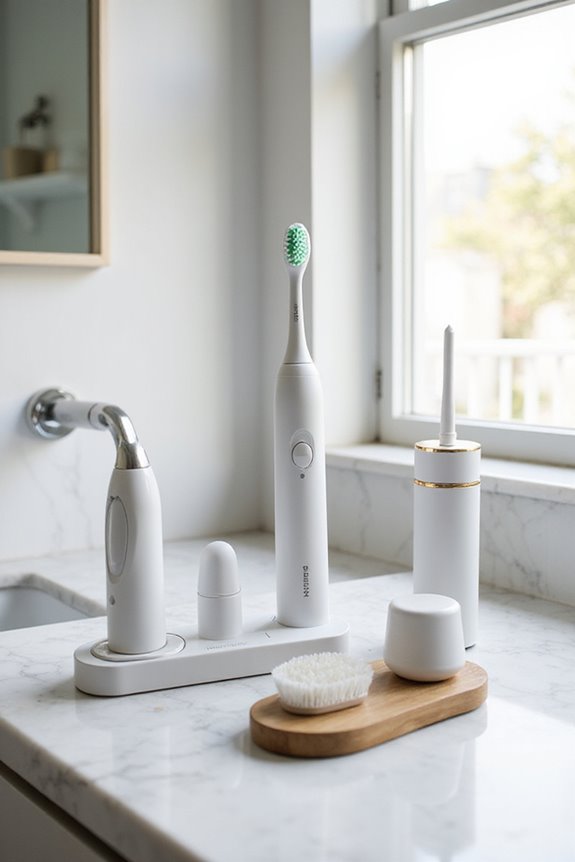
Innovations in personal care are reshaping the landscape of hygiene and comfort, particularly through advancements in product formulation and technology.
- Scalp Innovations: The integration of skincare ingredients into haircare is redefining scalp health. Prebiotic-infused masks address microbiome balance, benefiting 35% of U.S. adults with scalp issues. Luxury treatments elevate comfort, transforming traditional solutions into self-care experiences.
- Biotechnology Integration: AI-driven scalp analysis enables personalized product recommendations, enhancing user experience. RNA-based formulations and multifunctional polymers improve efficacy and comfort.
- Market Growth: Demand for scalp-care products is increasing at 23% annually, highlighting consumer interest in innovative solutions that prioritize comfort and hygiene.
These advancements not only enhance product performance but also promote overall well-being through targeted, effective care strategies.
Recommended Products

Difeel Scalp Care Hair Mask with Peppermint Oil helps improve oily hair & scalp. This hair mask is infused with a blend of vitamins, minerals and oils for overall healthier beautiful hair.

Scalp Care and Detox Scrub: This scalp scrub with apricot seed and invigorating menthol intensely purifies and exfoliates the scalp, removing unwanted impurities, excess oil and product build up

Little time, great results. This is a deeply nourishing finishing treatment with Aloe Vera and vitamin E that soothes the scalp and leaves your hair soft and lustrous in just 3 minutes. Replaces hair mask and conditioner. Head & Hair Heal has a floral scent of white jasmine and linden blossom.
The Role of Sustainability in Hygiene Products

The growing emphasis on sustainability is greatly influencing the hygiene products market. The sustainable personal care products sector was valued at USD 54.36 billion in 2026 and is projected to reach USD 90.40 billion by 2032.
- Consumer Preference: Increased eco-consciousness drives demand for products made from sustainable materials and eco-friendly packaging.
- Ingredient Literacy: A majority of consumers now trust “natural” claims, highlighting the importance of transparency in sustainability.
- Market Expansion: New brands focused on sustainability are emerging, backed by significant investments.
- Regional Dominance: The Asia Pacific region holds a substantial market share.
This trend underscores a clear shift towards ethical manufacturing practices, as companies collaborate to enhance sustainability in their supply chains and product offerings.
Recommended Products

Crafted from natural cotton, our Soap Bags provide the ideal texture for cleansing and exfoliating skin, ensuring a rich lather with your favorite soap.


PACK OF 2: Includes two 1.7oz (50mL) white plastic roll-on bottles, giving you a spare or one to share.
E-Commerce Trends in Personal Care Purchases

Key drivers include:
- Influencer marketing, which boosts engagement and contributes +1.8% to CAGR.
- Personalized recommendations powered by AI, enhancing customer experiences.
- The Asia-Pacific region shows significant growth potential.
Marketplaces like Amazon and TikTok Shop dominate, fostering product discovery and personalized shopping experiences, thereby reflecting a shift towards tailored consumer engagement in personal care. Additionally, the rise of absorbency levels in personal care products highlights the importance of effective solutions for managing incontinence and enhancing user comfort.
Addressing Global Hygiene Gaps and Consumer Needs
Addressing global hygiene gaps and consumer needs requires an extensive understanding of the current state of hygiene services and the challenges faced by various populations.
- Facility Hygiene: Approximately 50% of healthcare facilities lack basic hygiene services, such as water and soap, compromising patient safety.
- Handwashing Stations: Over one-third of these facilities do not have sufficient handwashing stations at the point of care.
- Healthcare Compliance: Less than 40% of healthcare workers in low- and middle-income countries adhere to hand hygiene practices.
- Consumer Awareness: While awareness of hygiene practices exists, compliance is often hampered by limited resources, especially in emergencies.
To bridge these gaps, enhanced hygiene education and improved sanitation access are critical for ensuring healthier communities and reducing disease transmission risks.
Frequently Asked Questions
How Can I Choose the Right Hygiene Products for Sensitive Skin?
To choose the right hygiene products for sensitive skin, one should prioritize sensitive skincare tips, emphasizing product ingredient awareness. This includes selecting gentle, hypoallergenic, and fragrance-free products while avoiding harsh chemicals to guarantee comfort and skin health.
What Are the Benefits of Eco-Friendly Personal Care Products?
In a world seeking harmony, eco-friendly personal care products offer sustainability benefits and chemical safety, much like a garden thrives when nurtured with natural elements. These choices resonate with consumers endeavoring for a healthier planet and community.
How Often Should I Replace My Personal Hygiene Items?
Frequency guidelines suggest that personal hygiene item lifespan varies: toothbrushes every three months, razors every 1-2 months, and kitchen sponges every 1-2 weeks. Adhering to these recommendations fosters a sense of community and shared wellness practices.
Are Natural Ingredients Better for Personal Care Products?
Amid growing concerns over synthetic chemicals, many wonder if natural ingredients truly surpass their artificial counterparts. Evidence suggests that organic product effectiveness and natural ingredient safety elevate skin health, fostering a deeper connection to personal well-being.
What Certifications Should I Look for in Hygiene Product Safety?
When considering hygiene product safety, one should seek hygiene certifications such as OEKO-TEX STANDARD 100 and CPSIA compliance. These guarantee that products meet rigorous safety standards, providing reassurance for consumers who prioritize health and well-being.