As an Amazon Associate, we earn from qualifying purchases. Some links on this site are affiliate links at no extra cost to you. Our recommendations are based on thorough research and editorial judgment.

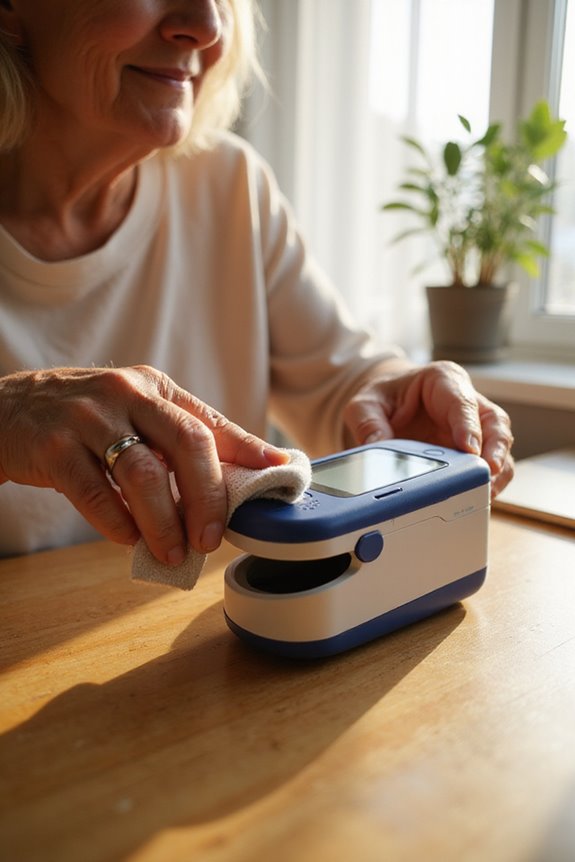
How To Clean And Maintain Your Pulse Oximeter?

To effectively clean and maintain a pulse oximeter, follow these guidelines:
- Cleaning: Power off the device, remove all components, and use 70% isopropyl alcohol pads or 75% medical alcohol for disinfecting surfaces.
- Maintenance: Replace batteries as needed, conduct weekly inspections, and schedule semi-annual checks for electronic parts.
- Storage: Maintain suitable temperatures and humidity levels.
You may be interested


Maintaining hygiene and accuracy in readings is essential. Further insights on specific practices and factors influencing performance can enhance your understanding.
Key Takeaways
- Power off the device and disconnect cables before cleaning to ensure safety and prevent damage.
- Use 70% isopropyl alcohol pads or 75% medical alcohol to disinfect all surfaces and probes.
- Conduct weekly inspections for any signs of damage or wear to maintain functionality.
- Store the pulse oximeter in a dry, well-ventilated area, avoiding extreme temperatures and humidity.
- Replace batteries promptly when the low voltage indicator activates to ensure reliable performance.
Cleaning Procedures for Pulse Oximeters
To guarantee the proper functioning and longevity of pulse oximeters, adherence to specific cleaning procedures is essential. Implementing effective cleaning techniques guarantees the device remains safe and accurate for users.
- Power off the pulse oximeter before cleaning.
- Remove the sensor and disconnect all cables.
- Use 70% isopropyl alcohol pads or 75% medical alcohol for disinfecting the sensor and cables.
- Clean the outer surface with a mild detergent and warm water, avoiding excessive liquid.
- Wipe any residue with a dry lint-free cloth.
- Allow components to air dry completely before reuse.
Following the recommended disinfectant choices and maintaining a consistent cleaning routine minimizes contamination risks, contributing to overall device integrity and user safety.
Recommended Products

INDIVIDUALLY WRAPPED MEDICAL ALCOHOL PADS: Our CURAD Alcohol Prep Pads are individually sealed in easy-to-open foil-lined packets. This keeps them sterile and saturated until you need to use them.

STERILE 70% ISOPROPYL ALCOHOL PREP PADS YOU CAN TRUST: Every pad is gamma sterilized and individually sealed to ensure clinical-grade sterility right out of the packet. The gold standard concentration for skin prep before injections, blood draws, and immunizations.

Thick, hospital-quality, 2-ply prep pads are saturated with 70% isopropyl alcohol to provide excellent cleansing action
Maintenance and Inspection Guidelines
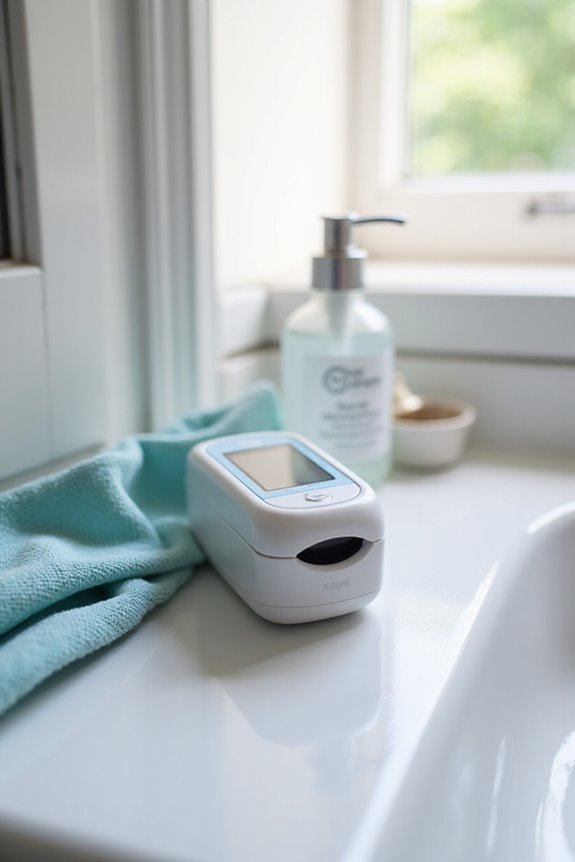
Proper maintenance and inspection of pulse oximeters directly impacts their reliability and accuracy in clinical settings. Adhering to structured maintenance schedules guarantees peak performance.
Maintenance Schedules:
- Replace batteries when the low voltage indicator activates.
- Conduct routine inspections weekly for damage.
- Schedule semi-annual inspections for electronic components and annual calibration testing by qualified personnel.
- Test pulse oximeters every 6 to 12 months.
Inspection Procedures:
- Verify that all peripherals, including SPO2 sensors, are functioning.
- Check the light source and photodetector for blockages.
- Inspect for visible damage—discontinue use if found.
- Utilize non-corrosive detergents for exterior cleaning when necessary.
Implementing these guidelines fosters device longevity and accuracy, vital for patient safety and effective healthcare delivery. Additionally, accurate measurements of SpO2 levels ensure timely diagnosis and treatment of respiratory conditions.
Recommended Products

OXIMETER COMPATIBILITY - This infant sensor is designed specifically for the CMI Health Handheld Pulse Oximeters (not included); Foot wraps should be changed every 2-3 weeks depending on usage scenario

LARGE EASY-TO-READ DISPLAY: Bright screen clearly shows SpO2, pulse rate, and signal strength with large digits. The waveform bar graph provides visual confirmation of pulse strength, making it ideal for adults and users who prefer clear visibility.

Accurate and Reliable - The Innovo iP900AP Finger Pulse Oximeter is a premium model with an improved LED and sensor, allowing SpO2 and pulse rate measurement even at low blood perfusion. Consistently beat other pulse oximeters in clinical studies
Storage and Handling Best Practices
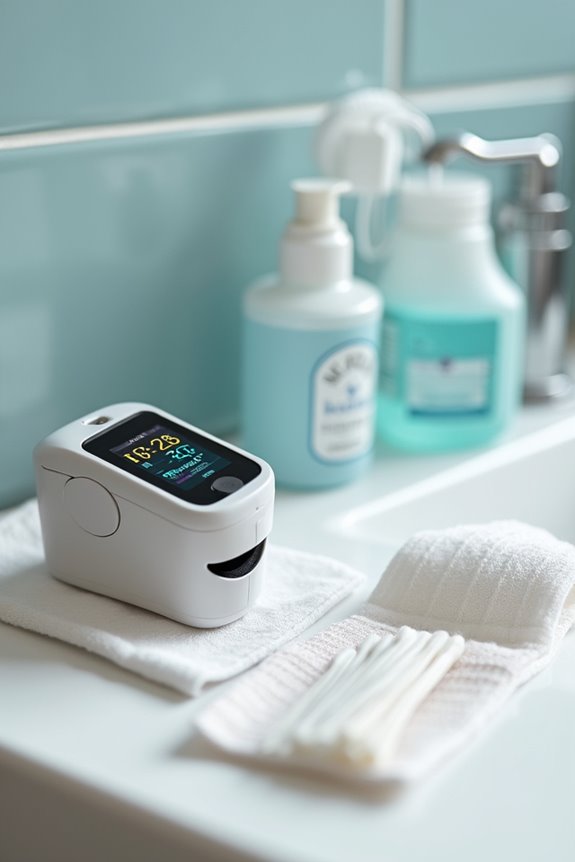
Effective storage and handling practices are essential for guaranteeing the longevity and performance of pulse oximeters.
Storage Conditions
- Maintain temperatures between -25°C to 70°C or -40°C to 60°C, as per model specifications.
- Keep relative humidity below 93–95% to prevent moisture damage.
- Store in a dry, well-ventilated area, away from corrosive substances and dust.
Battery Care
- Remove batteries during prolonged inactivity to avoid leakage.
- Replace batteries promptly when low voltage is indicated to guarantee accurate readings.
- Store batteries in a cool, dry place, away from metal objects, and dispose of them according to local regulations.
Infection Control and Cross-Contamination Prevention
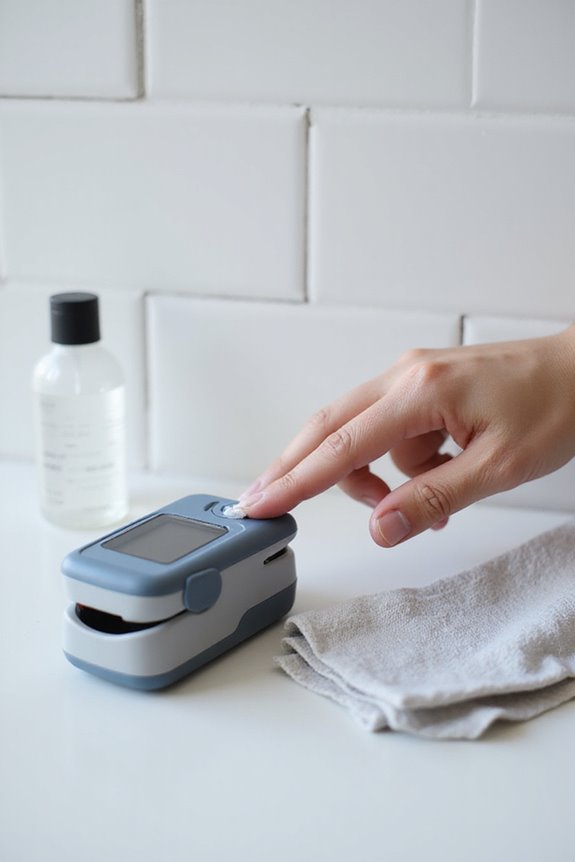
Infection control and cross-contamination prevention are essential components in the maintenance of pulse oximeters, particularly in healthcare settings where the risk of pathogen transmission is heightened.
- Pulse oximeter probes can harbor pathogens, increasing contamination risks.
- Implementing disinfection protocols after each patient use is crucial.
- Using disposable probes considerably reduces cross-contamination risk.
- Regular cleaning, including using Webcol swabs followed by Qualiclean, can decrease contamination by up to 80%.
- Focus on difficult areas, such as cracks and crevices, that may retain microorganisms.
- Follow CDC and WHO guidelines for low-level disinfection multiple times a week, ensuring adherence to safety standards.
- Additionally, ensuring that the oximeter is regulatory compliant can enhance safety and reliability in health monitoring practices.
Proper infection control measures are essential to safeguard both patients and healthcare providers.
Recommended Products


Thermometer Probe Covers: Universal and Disposable Probe Cover Box for Digital Thermometer for Accurate Sanitary Oral, Rectal and Underarm Digital and Glass Thermometers Reading
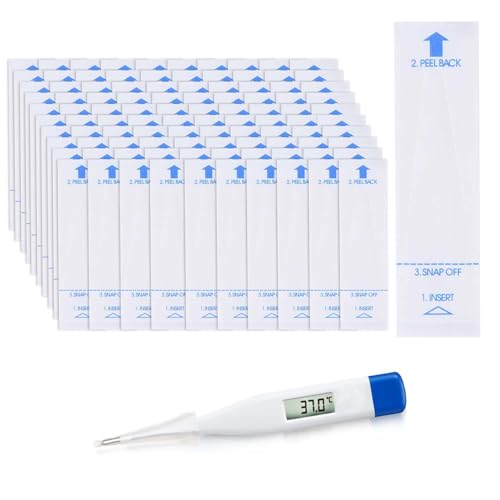
Material: These oral thermometer sleeves are made of durable wax paper and film. There is no need to worry about damage while maintaining the accuracy of temperature readings.
Factors Influencing Accuracy and Device Performance
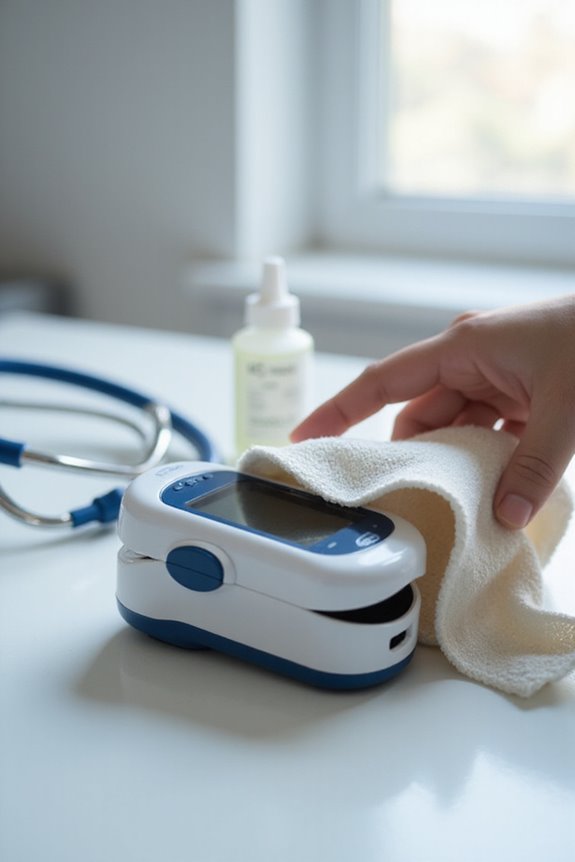
Accurate pulse oximeter readings are critical for patient assessment, as various factors can greatly influence device performance and measurement reliability.
Factors Influencing Accuracy
- Circulation: Poor circulation can lead to inaccurate SpO2 values.
- Skin Pigmentation: Darker skin pigmentation may present accuracy challenges, particularly in hypoxemia detection.
- Skin Thickness: Thicker skin can impede light transmission for precise readings.
- Temperature: Extreme temperatures can impair probe function.
- External Interference: Fingernail polish and tobacco use can affect measurement reliability.
Biological Influences
- Hemoglobin Variations: Changes in hemoglobin levels can skew oxygen saturation measurements.
- Medical Conditions: Conditions like Raynaud’s disease influence circulation, impacting readings.
Regular maintenance and awareness of these factors are essential for accurate assessments, especially considering that measurement precision is vital for managing respiratory conditions effectively.
Frequently Asked Questions
Can I Use My Pulse Oximeter on Different Fingers?
In dim light, the pulse oximeter glows softly against a finger, revealing the importance of finger positioning for measurement accuracy. Each choice, from index to ring, connects individuals to their health, fostering a sense of belonging.
What Should I Do if My Pulse Oximeter Shows Inconsistent Readings?
Inconsistent readings from a pulse oximeter may indicate calibration issues or battery concerns. Ensuring proper device maintenance and checking battery levels can enhance accuracy, fostering a reliable experience for users seeking dependable health monitoring.
How Long Does It Take to Get an Accurate Reading?
The reading duration for a pulse oximeter typically requires at least five minutes of preparation for ideal measurement accuracy. Factors like body stillness and environmental conditions greatly influence the reliability of the readings obtained.
Can I Share My Pulse Oximeter With Others?
Sharing a pulse oximeter can pose hygiene risks, as improper cleaning may lead to infection transmission. Adopting proper hygiene practices is essential to guarantee safe use and protect both users and their communities.
Is It Safe to Use a Pulse Oximeter on Children?
Pulse oximeter safety considerably safeguards pediatric use. Properly sized sensors and careful monitoring mitigate measurement missteps. Ensuring accurate readings fosters familial trust, empowering caregivers to confidently support their children’s health with reliable, reassuring medical tools.